
February 2026
ICAT Alumni Feature
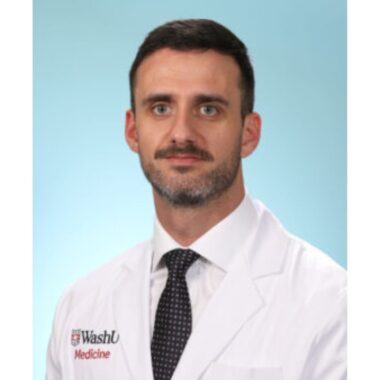
Dr Conor Grant, ICAT Fellow (Cohort 3)
Current Role: Assistant Professor of Medicine, Washington University in St. Louis
Clinical Discipline: Infectious Diseases
PhD Focus: Exploiting Immunometabolism in Tuberculosis
Research Area(s): Pulmonary immunology in infections, such as TB, NTM and COVID-19
Research & Career Journey
How has your career progressed since completing your ICAT PhD?
I was recently hired as an assistant professor at a prominent US university hospital. I was hired in large part because of the expertise I developed during my PhD. While it is a clinical role leading the NTM service, I plan to pivot back to a combined research/clinical role in the coming years.
The ICAT Experience
What aspects of the ICAT programme have been most valuable in your clinical academic career?
Being part of a cohort and going through the structured ICAT process gave me confidence that I would not have had, had I pursued a PhD alone. If it was not for the structured ICAT programme, I very likely would not have done a PhD and may have missed out on an aspect of my career that I love and hope to excel at.
What opportunities did ICAT provide that you would not have had otherwise?
Getting to know the other fellows was a huge opportunity in itself, and I learned a lot from this group of amazing people. More concrete opportunities can be linked back to my ICAT experience too, such as my current role – my research experience was a key factor considered during the hiring process.
In what ways has ICAT influenced your ability to secure funding, fellowships, or protected research time?
My current role is clinical, however when I pivot back to research in the future, I know that the reputation of the ICAT programme will be an advantage when seeking funding.
Leadership & Professional Development
How have you navigated the balance between clinical and academic work since completing your PhD, and has your focus shifted over time?
I have found that it is almost impossible to work full time clinically and be productive in research at the same time. My experience on the programme, where we had protected time to pursue our research interests, has given me a better understanding of what I want out of my career, and a goal to reach for.
Challenges & Lessons Learned
What advice would you give to current or prospective ICAT fellows about making the most of the programme?
Enjoy the journey and make friends for life.
Current & Ongoing Work
Are there any specific research projects, grants, or collaborations you’ve pursued since completing your PhD?
Not yet as I have been focusing on completing my clinical training and gaining specific subspeciality clinical experience abroad. My hope is to leverage this clinical expertise and leadership to create a productive research career.
Are you still connected with the ICAT network and has it contributed to ongoing collaborations or opportunities?
Yes! Having moved to a new city in the US, I was thrilled to learn that another ICAT alum worked at the same hospital – I had an automatic friend and support network.
Looking Ahead
Looking ahead, what are your career aspirations?
My hope is to attain the niche subspecialty experience here in the US that will allow me to establish myself as a clinical leader, lead a clinical service that can serve as a foundation of my clinical and laboratory research career.
Beyond Work
How do you relax in your spare time (hobbies etc)?
Nothing unusual or special. I’m a strong believer that if one wants to have a sustainable, long, productive career as a clinician scientist (without burning out), then it’s crucial to make space for the non-career aspects of ourselves.