
February 2026
ICAT Alumnus Feature
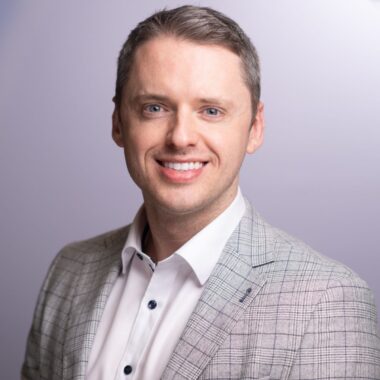
Dr Cathal O’Connor, ICAT Fellow Cohort 3
Current Role: Locum Consultant Dermatologist, Cork University Hospital
PhD Focus: Assessing sleep in infants with early-onset atopic Dermatitis by longitudinal evaluation (The SPINDLE study)
Research Area(s): Dermatology – predominantly atopic dermatitis (especially neurodevelopmental complications of atopic dermatitis) and genetic skin disease.
Research & Career Journey
How has your career progressed since completing your ICAT PhD?
I have really had integrated training! I integrated my PhD with my dermatology higher specialist training but I also completed my general paediatrics training so that I am registered as a dual specialist with the Irish Medical Council. I also undertook a fellowship in Great Ormond St Hospital and the Francis Crick Institute in London which mixed clinical and research exposure to mosaic genetic skin disease. I have been working as a locum consultant dermatologist in Cork University Hospital since then and have taken up the role of module co-ordinator of the CP4007 module in UCC.
The ICAT Experience
What aspects of the ICAT programme have been most valuable in your clinical academic career?
I found the access to expertise and collaboration incredibly helpful, especially for our niche as academic clinicians in training. The various study days and retreats were so high yield in terms of feedback and advice. In addition the opportunity to look at areas outside our specialty for a wide approach was really eye-opening. The support from the ICAT team was genuinely incredible and they always had our back!
How did the ICAT programme differ from other doctoral or training schemes you considered or experienced?
The ‘blue skies’ perspective of ICAT is what sets it apart – the ambition and support to achieve our aims is unparalleled. There was major support for me when Covid was creating huge problems for the project. The interdisciplinary nature is absolutely essential for optimising patient outcomes so that every angle can be looked at from different viewpoints. There was access to mentoring and networking at all stages.
What opportunities did ICAT provide that you would not have had otherwise?
The funding for the PhD allowed for additional aspects to the study which would not have been possible otherwise. The networking and collaboration was also invaluable. The protected time in the first year of the scheme was very useful for planning.
Research Impact & Translation
How has your research improved patient outcomes, service delivery, or healthcare innovation?
My PhD looked at sleep and early neurodevelopmental outcomes in atopic dermatitis. The results have been presented widely and are due for submission to various journals shortly. The study has highlighted the dangers of untreated early onset atopic dermatitis and has impacted clinical practice in terms of emphasising the importance of early treatment. I completed multiple other projects during my time in ICAT and they have also led to various changes in clinical practice.
In what ways has ICAT influenced your ability to secure funding, fellowships, or protected research time?
It was undoubtedly helpful for me in securing a fellowship in London which was quite bespoke and which I was headhunted for. The association with ICAT opened doors to other funding opportunities as it demonstrated a track record in completing projects to a high standard.
Are there any specific research projects, grants, or collaborations you’ve pursued since completing your PhD?
I have completed a fellowship in London as mentioned. I have successfully applied for a few small grants for small projects. I have also become a sub-PI on randomised controlled trials for atopic dermatitis in CUH. I am the new module co-ordinator for a UCC module for fourth year medical students.
Challenges & Lessons Learned
What challenges have you faced in maintaining a clinical academic career, and what strategies have helped you overcome them?
To date the biggest issue has been not having a full consultant contract. In addition my PhD was delayed due to Covid so I have been held up finishing it but I will be submitting soon.
What advice would you give to current or prospective ICAT fellows about making the most of the programme?
Get as much out of the collaboration as possible! Someone else will have made the mistake before you so look for advice. Definitely get the PhD finished before you go back to clinical work!!
Are you still connected with the ICAT network, and has it contributed to ongoing collaborations or opportunities?
I have offered my services as an ICAT champion and met with applicants for the ICAT programme to provide advice and guidance. I have also encouraged other doctors in training who are interested in dermatology to apply for the ICAT programme.
Leadership & Professional Development
How has ICAT supported your development as an independent clinical academic leader?
ICAT has given me a lot of confidence in my ability. I feel independent in working as a consultant clinician with academic outputs. I have really enjoyed working with everyone in ICAT and am hoping to give back to the programme over the coming years.
How have you navigated the balance between clinical and academic work since completing your PhD, and has your focus shifted over time?
I am still transitioning to a full clinical contract (only working clinically part time). So I have not completely settled into my new schedule. I am still finishing components from the PhD and I am taking trainee doctors and medical students under my wing to do research as well as educating healthcare professionals with teaching presentations. Once I have obtained a full-time consultant contract I will feel empowered to achieve a balance between the clinical and academic commitments.
Looking ahead, what are your career aspirations?
To become Professor of Dermatology at University College Cork and become an international expert in paediatric dermatology and genodermatoses.
How do you relax in your spare time?
I go to the gym and play tennis and go running. I spend time with my family or friends. I love travelling and learning new languages, I find it very helpful to be able to even say just a few words of other people’s native language when I meet them at conferences.
You can read more about Cathal’s research at the links below