
January 2026
ICAT Alumni Feature
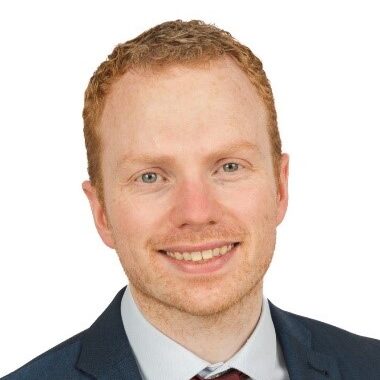
Dr David Mongan, ICAT Fellow (Cohort 1)
Current Role: Postdoctoral researcher, RCSI
PhD Focus: An inflammatory biomarker study of psychosis: a longitudinal study in an at risk population
Research Area(s): Youth mental health, psychosis, early intervention, molecular epidemiology
Research & Career Journey
How has your career progressed since completing your ICAT PhD?
I completed an Academic Clinical Lectureship at Queens University Belfast from 2021 – 2024, after which I was full-time clinical to complete my clinical training. I currently work in a full-time research role in RCSI with a view to applying to clinical academic consultant posts.
The ICAT Experience
What aspects of the ICAT programme have been most valuable in your clinical academic career?
Some of the most valuable aspects of ICAT have been the excellent mentorship and the mix of formal and informal feedback from senior academics, alongside the strong peer support within the ICAT cohort. The programme also offered valuable insights from experienced invited speakers, opportunities to collaborate with peers and senior colleagues, and dedicated time for research and learning.
How did the ICAT programme differ from other doctoral or training schemes you considered or experienced?
What really sets ICAT apart is that it is a structured PhD programme fully integrated with clinical training. The programme offers strong mentorship and regular feedback, a supportive peer cohort, and ongoing links with the ICAT network that continue well beyond completion of the PhD.
What opportunities did ICAT provide that you would not have had otherwise?
ICAT offered me the opportunity to undertake a fully funded PhD in the Republic of Ireland, while also connecting me with PhD supervisors and long-term mentors who continue to support my career. Through the programme, I was able to build a strong collaborative network, both nationally and internationally, which has been invaluable to my ongoing research and professional development.
Research Impact & Translation
How has your research improved patient outcomes, service delivery, or healthcare innovation?
My work has shed light on the early involvement of the immune system in early psychosis, particularly dysregulation of the complement system. I have also produced research on thoughts of self-harm as an early symptom-based risk marker of later psychosis and other mental disorders. Finally, my work has provided evidence for protective associations of plasma omega-3 fatty acid levels and reduced longitudinal risk of psychosis in early adulthood.
In what ways has ICAT influenced your ability to secure funding, fellowships, or protected research time?
Holding an ICAT fellowship is recognised as a mark of prestige and excellence, which has helped make me more competitive for opportunities such as ACLs, and I hope will continue to support future postgraduate fellowship applications. The dedicated time to develop key skills, particularly in statistics and epidemiology, has also been extremely valuable.
Leadership & Professional Development
How has ICAT supported your development as an independent clinical academic leader?
ICAT supported my development as an independent clinical academic leader by helping me build strong technical skills, including in areas such as proteomics, bioinformatics, and statistics. More broadly, the programme played a key role in shaping my development as a leader, strengthening my understanding of the wider research culture, funding landscape, and the importance of collaboration.
How have you navigated the balance between clinical and academic work since completing your PhD, and has your focus shifted over time?
Post-PhD I completed an ACL in Queens University Belfast which was 50-50 clinical-academic time. Initially this was challenging after an almost full-time research PhD but found open dialogue helpful at early stage with clinical and academic supervisors to set expectations and maintain boundaries.
Challenges & Lessons Learned
What challenges have you faced in maintaining a clinical academic career, and what strategies have helped you overcome them?
Maintaining boundaries where possible between research and clinical time; managing time and priorities (including how to say no politely); funding – for the latter, it has been helpful to be involved as a co-applicant or collaborator on several large projects so as to gain experience in grant writing and grant management.
What advice would you give to current or prospective ICAT fellows about making the most of the programme?
Research potential supervisors and their projects; meet with them early to ensure it’s a good fit (personality-wise as well as research interests); get feedback early from peers and ICAT mentors and don’t take criticism personally, it is usually with the goal of making your project/proposal better; embrace and contribute to peer support through other ICAT fellows; collaborate widely and don’t be afraid to reach out to other researchers; consider opportunities to go to different institutions where you can as can provide different perspectives; stay in touch with ICAT network post-PhD; enjoy it!
Are you still connected with the ICAT network, and has it contributed to ongoing collaborations or opportunities?
Yes , I remain connected with the ICAT network, which has been very valuable. Learning from ICAT peers, particularly around securing funding opportunities and navigating the transition to independence, has been extremely helpful.
Looking Ahead
Looking ahead, what are your career aspirations?
I’d like to become a professor of Psychiatry and national and international clinical academic leader in field of early intervention and youth mental health.
Beyond Work
How do you relax in your spare time (hobbies etc)?
Spending time with family/ friends, running, music, playing piano.